







Search Results for: Kenya Coffee Bean Prices
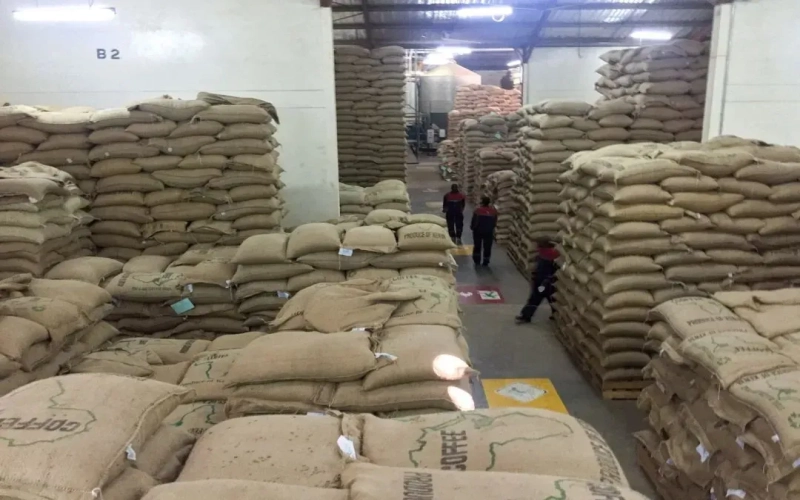
Kenyan coffee auction prices rise 15%, as declining production and political volatility loom over the industry
After the Nairobi Coffee Exchange in Kenya reopened, coffee auction prices rose significantly, with AA-grade green beans fetching US$275 per bag, up 15% from before. Behind this increase are both the direct impact of the government's push for industry reforms and the reduction of intermediary links, as well as multiple pressures such as insufficient processing plant capacity, a shortage of certified planting materials, and the mpox outbreak and domestic political instability. Despite the higher prices, coffee export earnings fell 11.38% year on year, and the industry's outlook remains full of uncertainty. [more…]
Kenya AA Gichugu Coffee Beans: Origins, Variety Characteristics, and Flavor Profile Fully Explained
Kenya AA Nyeri Gichathaini Specialty Coffee Beans, with the two legendary varieties SL-28 and SL-34 and unique terroir, have become a sought-after treasure for coffee connoisseurs worldwide. From Ethiopia to Yemen, and then to the introduction of Brazilian Bourbon seeds, Kenyan coffee has gone through more than a century of evolution. This article will guide you through its origin and development, detail its blackberry and grapefruit-like fruity flavors, and help you master the most suitable brewing temperature and drinking rhythm. It will also introduce the auction system of the Kenya Coffee Board and the changes in production and prices worldwide. At the end, there is also a medium-light roast profile recommended by Front Street Coffee to help you unlock the best performance of these beans. [more…]
Kenya Coffee Prices and Wholesale Market Analysis: A Detailed Explanation of Kenyan Coffee Bean Grading Standards
Kenya, as an important coffee-producing country in East Africa, is known for its bright fruit acidity and rich flavors, making it a favorite among many coffee lovers. This article will focus on the price of Kenyan coffee, introducing the approximate wholesale range for green beans as well as the retail pricing of Front Street Coffee's Kenyan coffee. At the same time, it will sort out Kenya's coffee-growing conditions, historical context, and the characteristics of major varieties such as SL28 and SL34, and provide a detailed interpretation of Kenya's coffee grading system, including the meaning and differences of common grades such as AA, AB, and PB, helping readers gain a comprehensive understanding of the coffee profile of this classic African origin. [more…]

A Comprehensive Guide to Kenyan Coffee: Starbucks Reserve Kenya Bean Prices, Flavor Characteristics, and the K72 Processing Method
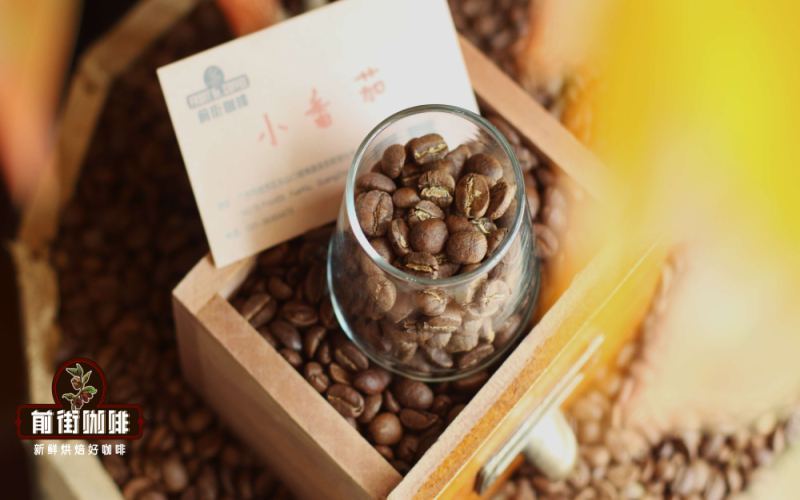
Kenyan coffee has long been renowned for its strong, full-bodied acidity and distinctive cherry tomato and prune flavors, standing alongside Ethiopia's Yirgacheffe as one of Africa's two flagship coffees. Starbucks has offered Kenya coffee since 1971, and the elephant design on its packaging has become a classic emblem. This article will comprehensively analyze the reasons behind the formation of Kenyan coffee's flavor—from the growing conditions of its producing regions, varietal characteristics, and the K72 washed processing method to the coffee bean grading system—and share detailed information on the AA-grade Kenyan cherry tomato and PB-grade coffee beans introduced by FrontStreet Coffee, including roasting parameters and brewing suggestions, to help coffee enthusiasts gain a deeper understanding of this premium producing region. [more…]
Kenya AA Washed Coffee Beans Full Analysis: From Variety Grading to K72 Processing and Pour-Over Flavor
Kenyan coffee is renowned worldwide for its vibrant acidity and full-bodied juiciness, which is distinctly different from the acidity of Ethiopian coffee. Front Street Coffee takes Kenya's colonial history as a starting point to trace the establishment of its meticulous management system, including the selection and breeding of SL28/SL34 varieties, the establishment of the auction system and grading standards, and the unique 72-hour washed fermentation process. This article will also guide you through the terroir differences of core producing regions such as Nyeri, Kirinyaga, and Muranga, and includes the complete roasting curves, cupping performance, and brewing parameters for two beans: Front Street Cherry Tomato AA TOP and Gachatha Cooperative AB, allowing you to understand the full picture of Kenyan coffee in one go. [more…]
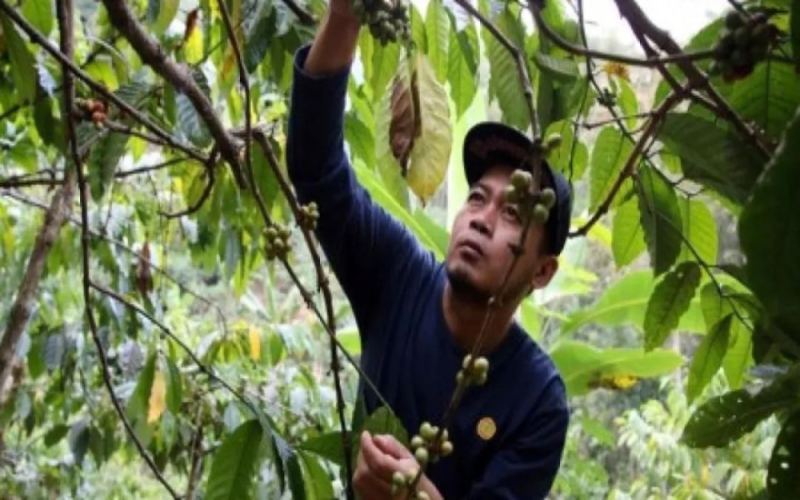
El Niño Hits Key Robusta Growing Regions, Coffee Prices Climb as Arabica Exports Strengthen
The ongoing El Niño phenomenon has continued to intensify recently, bringing high temperatures and drought to coffee-growing regions in Southeast Asia. Robusta coffee production in Indonesia and Vietnam has declined noticeably, and export prices have risen sharply as a result. Meanwhile, Arabica-producing countries such as Honduras in Central America and Kenya in Africa have shown strong export performance, with prices remaining stable. This article reviews changes in production, exports, and prices across major producing regions to help coffee enthusiasts grasp the current supply-demand dynamics and future trends of the global coffee market. [more…]
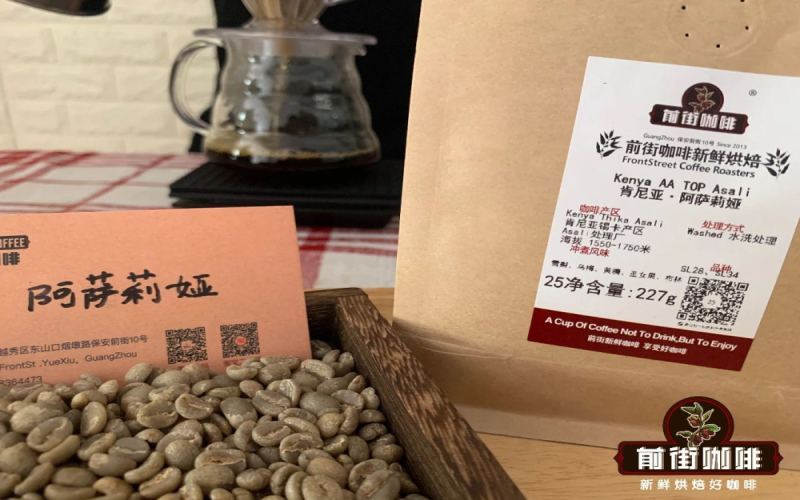
A Detailed Explanation of the Differences Between Kenya AA and AB Grades: Raw vs. Roasted Bean Differences and Front Street Coffee Brewing Guide
Kenyan coffee is world-renowned for its bright acidity and rich fruity flavors, and AA and AB, as the two most common grades, what exactly is the difference between them? This article will start from the perspective of Front Street Coffee and systematically sort out Kenya's coffee grading system—including the specific classification criteria for eight grades such as AA, AB, PB, and E—and further explain the differences between green beans and roasted beans, as well as the factors affecting coffee bean prices. At the same time, we will also share the hot pour-over and iced pour-over practical parameters for Front Street Kenya Asalia and AA TOP, helping you better understand this high-quality coffee from the Thika producing region. [more…]
Which Kenya coffee is the best? From regional grading to K72 washing, one article explains how to make Kenyan black coffee
Kenyan coffee is renowned for its bright, elevated fruit acidity and full, substantial berry mouthfeel, making it a highly distinctive presence in the world of specialty coffee. Drawing on Front Street Coffee's cupping experience, this article systematically reviews the historical development of Kenyan coffee, the terroir characteristics of its six major producing regions, its grading system and auction trade framework, and provides a detailed breakdown of the three-stage fermentation process of the K72 washed processing method. At the end, the brewing parameters and flavor description for Front Street's Kenya Athalia coffee beans are included, helping coffee enthusiasts gain a comprehensive understanding of this bean's origins and development, and master the correct approach to recreating Kenyan black coffee at home. [more…]
Kenyan Coffee Flavor and Regions: A Complete Guide — From AA Grading to K72 Washing, Front Street Coffee Helps You Understand Specialty Kenya
Kenyan coffee is renowned for its bright, full-bodied fruit acidity and thick, juicy mouthfeel, making it a producer origin that cannot be overlooked on the global specialty coffee map. This article systematically sorts through the full picture of Kenyan coffee, from its historical evolution, variety selection and breeding, the terroir of its six major producing regions, the auction and direct trade systems, to green bean grading standards and the K72 washed processing method. At the same time, drawing on the cupping and brewing experience of FrontStreet Coffee, it introduces the origin information and brewing parameters of Kenyan Cherry Tomato coffee beans, helping coffee enthusiasts gain a more comprehensive understanding of the unique charm of this East African producing country. [more…]
An In-Depth Look at Kenyan Specialty Coffee: Flavor Profile, Regional History, and Auction System of Front Street Kenya AA
Kenya is globally recognized as one of the top coffee-producing countries, and its coffee is famous worldwide for its bright citrus fruit aromas, juicy acidity, and vinous notes. Front Street Kenya coffee is mostly grown in highlands at elevations of 1,500 to 2,100 meters, with two harvests possible per year. In the cup it shows rich layers and medium body, and has long been regarded by industry professionals as one of their most beloved single-origin coffees. This article will systematically examine the unique qualities of Kenyan specialty coffee from the perspectives of flavor characteristics, historical origins, the current state of the industry, and auction mechanisms, and will also introduce the roasting and flavor performance of Front Street Kenya AA. [more…]

A Comprehensive Guide to Kenyan Coffee Beans: An In-Depth Analysis of the AA Grading System and the K72 Washing Process
Kenyan coffee is renowned worldwide for its intense, full-bodied fruity acidity and rich fruit flavors, and its unique grading system and processing methods have always been a focal point for coffee enthusiasts. This article will systematically review the development history, cultivation models, variety composition, and regional characteristics of Kenyan coffee, provide a detailed interpretation of the complete grading system from E to T, and deeply analyze the flavor differences between AA and AB grades. At the same time, Front Street Coffee will share roasting suggestions and pour-over parameters for two beans, the Kenyan Asaliya and the Sasini Estate PB, taking you through every step of Kenyan coffee from seed to cup. [more…]
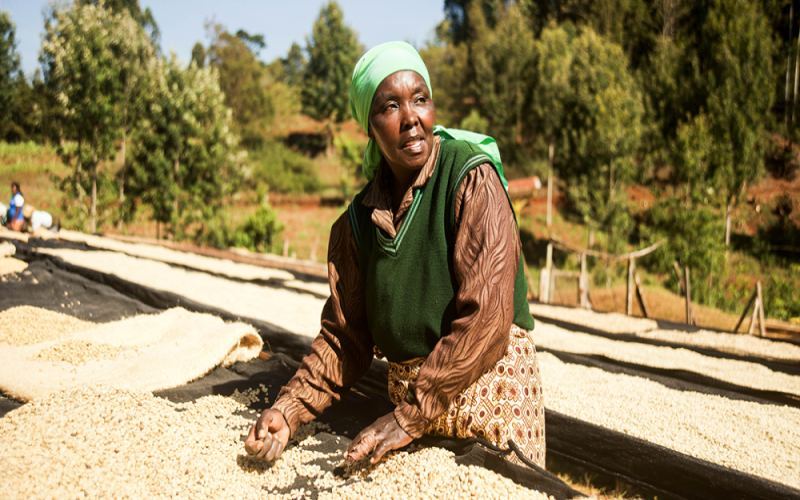
How to Fix Kenya AA Pour-Over That's Too Sour? A Complete Breakdown from Regional Grading to K72 Washing
Kenyan coffee is famous for its bright acidity, but many enthusiasts who pick up AA-grade pour-over beans are often troubled by that powerful acidic sensation. From the perspective of Front Street Coffee, this article systematically sorts through the development of Kenyan coffee—the refined management brought during the British colonial period, the selection and breeding of SL28 and SL34, the unique grading and auction system, and the iconic 72-hour washed processing method. It also explains in detail the terroir differences of core producing regions such as Nyeri, Murang'a, and Kirinyaga, and includes the roasting curves and pour-over brewing parameters for two Kenyan beans from Front Street, helping you understand where the acidity comes from and how to make peace with it during brewing. [more…]
An Analysis of Kenyan AA Coffee Bean Variety Characteristics and a Full Description of Its Pour-Over Flavor and Mouthfeel
Kenyan coffee is renowned worldwide for its intense, full-bodied fruity acidity, forming a sharp contrast with the soft, bright character of neighboring Ethiopia. This article systematically reviews the development history, growing conditions, major producing regions, variety characteristics, and grading system of Kenyan coffee, and documents in detail Front Street Coffee's roasting, cupping, and pour-over parameters for two beans—Kenya Asaliya AA TOP and Sasini Estate PB—helping coffee enthusiasts gain a comprehensive understanding of Kenyan coffee from seed to cup. [more…]
An In-Depth Analysis of Kenyan Specialty Coffee Beans: Regions, Varieties, Grading, and Front Street Recommendations
Kenyan coffee, with its intense and full-bodied fruit acidity, uniform bean size, and exceptional fruity flavors, has always held a unique position in the specialty coffee world. Unlike Ethiopia's gentle and translucent character, Kenya's acidity is more impactful and layered. This article will systematically examine the full picture of Kenyan coffee, from its development history, growing conditions, major producing regions, variety selection and breeding, grading system, to its auction trading model. At the same time, drawing on Front Street Coffee's cupping and brewing practices, it will take an in-depth look at the flavor differences between two beans—Asalia AA TOP and Sasini Estate PB—to provide coffee enthusiasts with a complete guide to Kenyan coffee. [more…]
From Ethiopian Valleys to Panama Auction Tables: Tracing Geisha Coffee's Rise to Fame and the Reasons Behind Its High Price
Geisha coffee is now regarded as the crown jewel of specialty coffee, but its rise was not achieved overnight. From 1936, when the Englishman Richard Whalley collected seeds in the Geisha Mountains of Ethiopia, Geisha's footprint successively reached Kenya, Tanzania, and Costa Rica, and was finally brought to Panama in 1960 by Don Pachi Serracin. Before 2004, Geisha was long interplanted with other varieties, grown at low altitudes, and had never displayed its own flavor as a single variety. It was not until Daniel Peterson of Hacienda La Esmeralda presented an unblended Geisha in the Best of Panama green bean competition that this bean won first place in one stroke, with a bid price of only $21 per pound at the time. After that, the market crisis triggered by the collapse of the International Coffee Agreement in 1989, together with the push of the specialty coffee wave after the founding of the SCAA, jointly propelled Geisha onto the legendary stage. This article will sort out this historical thread and explain why Geisha prices remain persistently high. [more…]
Complete Guide to Kenyan Coffee: Six Major Regions, AA Grading System, SL28/SL34 Varieties, and Pour-Over Parameter Guide
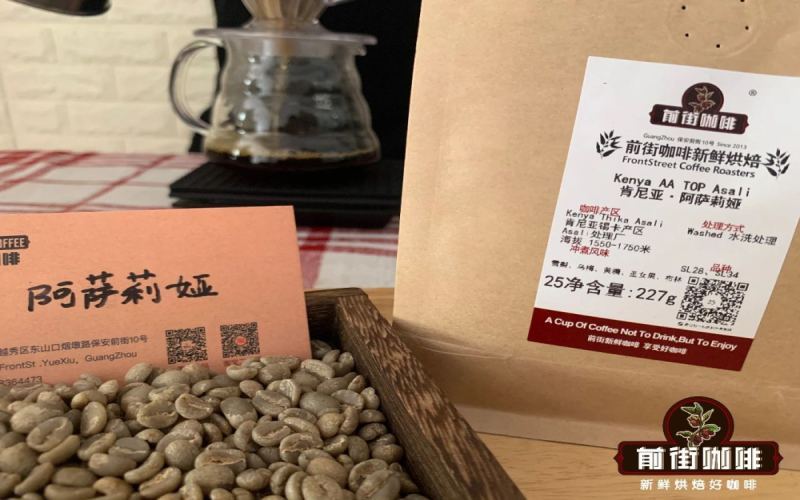
Kenyan coffee is world-renowned for its bright fruit acidity and full-bodied berry juice sensation, standing as a representative of high-acidity specialty coffee. This article systematically reviews the growing conditions and geographical environment of Kenyan coffee, introducing one by one the altitude, varieties, and flavor characteristics of six major producing regions: Thika, Kirinyaga, the western side of Mount Kenya, Nyeri, Kiambu, and Murang'a. It provides a detailed explanation of the coffee bean grading system from AA to PB, as well as the auction and direct trade systems. It offers an in-depth analysis of the varietal origins of SL28, SL34, and Ruiru 11, and fully breaks down the fermentation process of Kenya's 72-hour washed processing method (K72). At the end of the article, Front Street Coffee's roasting approach and V60 pour-over parameter suggestions for the small tomato coffee beans from the Thika region are included, for coffee enthusiasts to reference and practice. [more…]
How Is Kenyan Coffee AA Grade Distinguished? A Comprehensive Analysis of Regional Flavors, K72 Washed Processing, and Pour-Over Parameters
Kenyan coffee stands out in the global specialty coffee scene with its bright fruit acidity and full berry flavors, and the AA grade is among its most closely watched representatives. This article starts with Kenya's geography and growing conditions, systematically sorting out the altitude, varieties, and flavor differences of six major producing regions including Thika, Kirinyaga, and Nyeri, and explains in detail the evolution of Kenya's coffee auction system and direct trade. At the same time, the article takes a deeper look at the origins of classic varieties such as SL28 and SL34, as well as the famous K72-hour washed fermentation process, helping readers understand the reasons behind Kenyan coffee's high acidity and thick, juicy mouthfeel. Finally, using Front Street Coffee's Kenya Asaliya as an example, it shares a medium-light roast approach and V60 pour-over parameters, presenting the specific flavor expressions of dried plum, cherry tomato, and yellow sugar sweetness. [more…]
Kenya AA Coffee Brewing Guide: From Origins and Cultivation to the K72 Process and Pour-Over Parameters
Kenyan coffee is renowned for its bright fruit acidity and full-bodied berry notes. This article systematically covers its full story: from its introduction and cultivation in the early 20th century, to the Scott Laboratories' selection and breeding of SL28 and SL34, the evolution of the auction and direct trade systems, to the terroir differences among the six major producing regions and the logic of bean size grading. It also explains in detail the three-cycle fermentation mechanism of the K72 washed processing method, and provides reproducible parameters using a V60 brewing recipe with 15 grams of coffee and 91°C water. Whether you want to understand the substantive difference between Kenyan AA and AB grades, or want to brew a cup of Kenyan coffee interweaving the sweetness of smoked plum, cherry tomato, and yellow sugar, you will find a complete reference in this article. [more…]
Kenya Gakundu Cooperative AB Grade Coffee Pour-Over Flavor Analysis: Causes of Bright Acidity and Processing Methods
Kenya's Gakundu Cooperative's AB-grade coffee is renowned for its bright acidity and complex flavors, and many people wonder: why does it taste so acidic? Behind this lies both the unique terroir conditions at the foot of Mount Kenya and the cooperative's strict quality control and processing methods. This article provides a comprehensive analysis of why Gakundu coffee has such prominent acidity, covering the production region's background, the cooperative's operations, picking standards, and the pulping and fermentation process, and also introduces Front Street Coffee's recommendation and brewing performance for this bean. [more…]
A Detailed Guide to Kenyan Coffee Bean Grading: What Exactly Is the Difference Between AA TOP and AA?
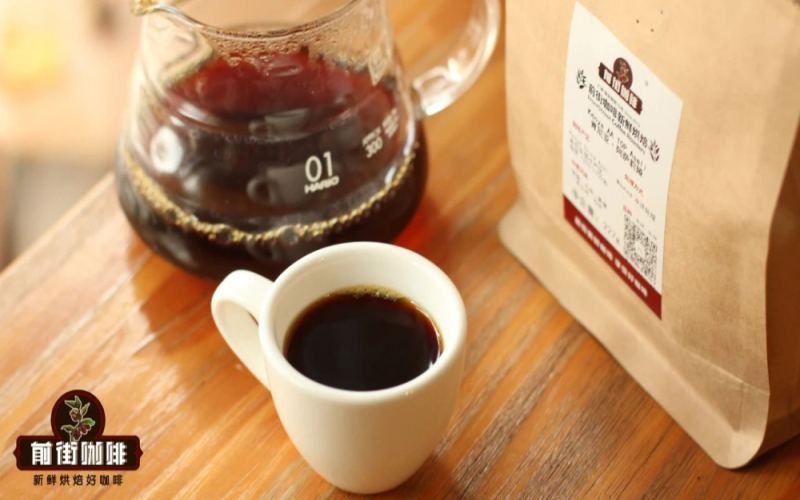
Kenyan coffee is renowned worldwide for its bright, intense fruit acidity and full, robust body, while its grading system—AA, AB, PB, and so on—often leaves enthusiasts confused. What exactly is the difference between AA and AA TOP? Does the grading standard look only at bean size, or does it also take cup profile into account? This article sorts through Kenya's coffee history, growing conditions, variety selection, regional characteristics, grading system, and auction trading model one by one, and combines tasting examples from several Kenyan beans at Front Street Coffee to help readers clarify the real difference between AA and AA TOP. [more…]